
Parkinson's Insights
"The Biological Clock: When Parkinson's Meets the Aging Brain" by Dr L Shih
In this insightful session, we were joined by Dr Ludy Shih, Associate Professor of Neurology at Harvard Medical School and Clinical Director at Beth Israel Deaconess Medical Center. Dr Shih explored the complex relationship between the natural process of brain aging and the specific pathology of Parkinson’s disease. Key Takeaways The Aging Intersection: Dr Shih discussed how Parkinson's does not exist in a vacuum; it interacts with the "biological clock" of the brain. She highlighted that many of the cellular and molecular mechanisms we see in Parkinson’s—such as mitochondrial dysfunction and oxidative stress—are also fundamental components of the normal aging process. A System-Wide Approach: A major focus of the talk was that aging is not limited to the brain. Dr Shih explained how "non-neurologic" systems (such as the cardiovascular and metabolic systems) undergo their own aging processes, which can significantly impact the progression and symptom management of those living with Parkinson's. The Power of Longitudinal Data: Drawing from her extensive work with the Framingham Heart Study, Dr Shih shared how tracking health data across generations helps researchers distinguish between "normal" aging and the specific neurodegenerative changes associated with Parkinson’s. Resilience and Reserve: The session emphasized the importance of building "cognitive and motor reserve." By understanding how the brain ages, we can better implement lifestyle strategies—such as targeted exercise and social engagement—to enhance the brain's resilience against disease progression. Why This Matters for our Community Understanding the overlap between aging and Parkinson's helps us move away from a "one-size-fits-all" approach. It highlights that maintaining overall systemic health (heart health, metabolic health, and mental wellness) is just as vital as managing dopamine levels. By slowing the "biological clock" through proactive lifestyle choices, we can positively influence the trajectory of the condition.
"Inflammation, Oxidative Stress, and Parkinson’s" by Jelena Etemovic, a Registered Dietitian Nutritionist
This webinar, titled "Inflammation, Oxidative Stress, and Parkinson’s," is the fourth instalment of the "Food as Medicine" series. It features Jelena Etemovic, a Registered Dietitian Nutritionist, who explores how targeted nutritional strategies can act as neuroprotective tools to support brain health and manage symptoms. The Core Science: Oxidative Stress and Inflammation Parkinson’s disease is characterised by the progressive loss of dopamine-producing cells. Research suggests that oxidative stress and chronic inflammation are key contributors to this cellular damage over time. Oxidative Stress: This is an imbalance between "free radicals" (unstable molecules that damage cells) and "antioxidants" (molecules that neutralise them). Chronic Inflammation: While inflammation is a natural healing response, when it becomes chronic, it places added stress on the nervous system and brain cells. Key Nutritional Strategies 1. Antioxidant-Rich Foods Antioxidants are natural compounds that protect cells from oxidative damage. They are primarily found in vibrant, colourful plant-based foods. Sources: Berries, dark leafy greens, beans, nuts, seeds, herbs, and spices. The "Variety" Rule: Different colours represent different antioxidant compounds (e.g., Vitamin C in citrus, flavonoids in blueberries, resveratrol in grapes). The "Regularity" Rule: Daily habits add up; cellular protection is a long-term benefit of consistent intake. 2. Omega-3 Fatty Acids These are "essential" fats, meaning the body cannot produce them and must get them from food. They are directly involved in regulating the body’s inflammatory response and supporting brain cell communication. DHA & EPA (Found in fatty fish): Crucial for brain health and cognitive function. ALA (Found in plants): Found in flax seeds, chia seeds, and walnuts. Recommendation: Aim to include omega-3 rich foods 2–3 times per week. Practical "Hacks" for Daily Life Jelena recommends a three-step approach to immediately improving your nutritional profile: Grocery List Update: Add three antioxidant-rich and three omega-3-rich foods to your shop this week. Colourful Plates: Fill half your plate with colourful fruits and vegetables daily. The "Add, Don't Cut" Mindset: Instead of focusing on what to restrict, focus on what nutrient-dense foods you can add to your current meals (e.g., adding chia seeds to oatmeal or spinach to a smoothie). Jelena has produced the following free guide: https://jelena-etemovic-dietitian.kit.com/1b8038925f Parkinson’s Brain Health Nutrition Guide: Practical nutrition strategies to support brain health and help you take simple action this week. Inside this free guide you’ll learn: How nutrition can help support brain health in PD How to get started with building a plan An antioxidant foods list Tips for increasing antioxidant intakes An Omega-3 foods list Tips for increasing omega-3 intakes How to get additional nutrition guidance
"The Parkinson’s Lifestyle Plan: Bridging Global Research & Personal Action" by Prof. Joanne Trinh
The Parkinson’s Lifestyle Plan. Bridging Global Research & Personal Action with Prof. Joanne Trinh In this session, NoSilverBullet4PD hosted Prof. Joanne Trinh, Heisenberg Professor at the Institute of Neurogenetics in Lübeck, Germany. Prof. Trinh presented her latest research—recently published in The Lancet—on how lifestyle interventions influence disease trajectory and improve quality of life for those living with Parkinson’s. Moving beyond the search for a single "silver bullet," Prof. Trinh explains the "synergistic effect" of combining multiple lifestyle pillars to create a neuroprotective environment. The Core Concept: Vicious vs. Virtuous Cycles Prof. Trinh introduced a central framework for managing the condition: The Vicious Cycle: Motor and non-motor symptoms (such as fatigue or fear of falling) often prevent patients from staying active, which leads to symptomatic worsening and faster progression. The Virtuous Cycle: By introducing attainable lifestyle interventions alongside medical management, patients can improve their symptoms, which then allows for increased activity levels, effectively breaking the downward spiral. Key Research Pillars Physical Activity & Brain Health High-Intensity Exercise: Evidence shows that high-intensity aerobic exercise at least three times a week can help stabilize motor symptoms. Synergy: Combining aerobic work with resistance training (weightlifting) provides a "multiplier effect" for brain health. Biological Impact: Exercise has been found to reduce global brain atrophy and dampen brain inflammation at a molecular level. Nutrition & The Gut-Brain Connection The Mediterranean Diet: Strong evidence supports this diet as protective against Parkinson’s risk and highly beneficial for managing cognitive function and constipation. Microbiome Diversity: A diverse gut microbiome is protective. Increasing fiber intake helps manage symptoms and protects the brain via the production of short-chain fatty acids. Supplements: While results vary, probiotics and melatonin have shown positive effects on gut health and sleep quality. Stress Management & Resilience Mindfulness & Yoga: Mindfulness-based interventions have consistent beneficial effects on mood, specifically reducing anxiety and depression. Brain Resilience: Regular meditation has been linked to improved scores for daily living and positive changes in regional brain volume. Genetics and Lifestyle Interactions Prof. Trinh shared intriguing data on how specific factors interact with Parkinson’s genetics: Black Tea: For those with the LRRK2 genetic form of Parkinson’s, black tea consumption was associated with less severe motor symptoms over time. Additive Effects: Her research shows that combining multiple protective factors—such as coffee consumption and non-smoking—can cumulatively influence the age of onset. Practical Recommendations for the Community Aim for Intensity: While high intensity is the goal, moderate intensity is still significantly better than no exercise. Prioritize Social Connection: Building stress resilience through social support is a highly effective, yet often overlooked, part of a lifestyle plan. Consistency is Key: The goal is to find sustainable changes and "gamify" them to maintain long-term adherence.

Advanced Nutraceuticals for Brain Health and Mitochondrial Support
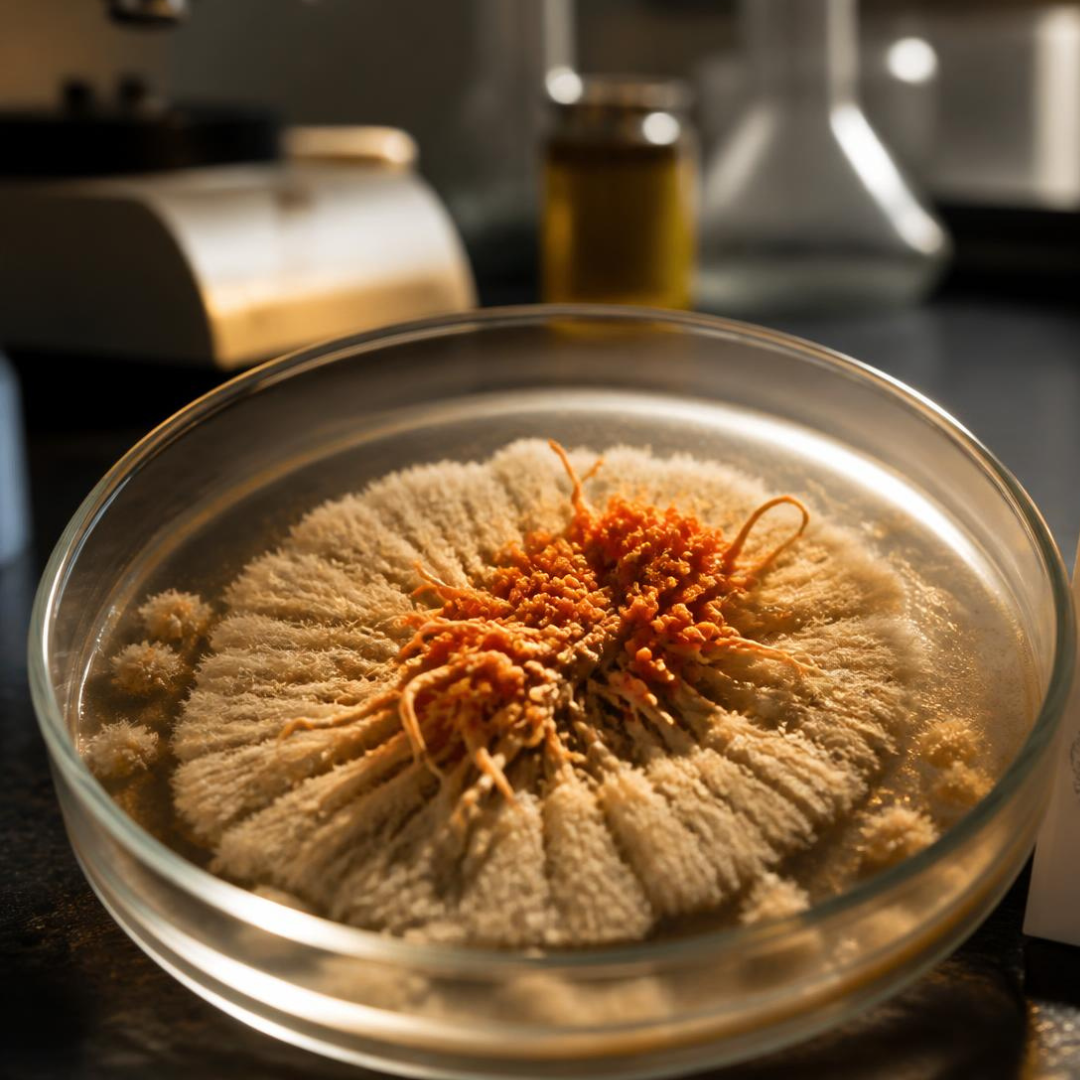
Food as Medicine for Parkinson's Part 6: Advanced Nutraceuticals for Brain Health and Mitochondrial Support The sixth instalment of the Food as Medicine series moves beyond the kitchen to the cutting-edge of clinical supplementation. This session provides an objective look at how specific compounds can support mitochondrial function and protect the brain at a cellular level. We move past the marketing hype to examine what the latest research actually says about the supplements currently making waves in the community. Mitochondria are the powerhouses of our cells, and supporting their efficiency is a primary focus for neuroprotection. We will explore the role of NAD+ precursors and the emerging interest in low-dose lithium as potential tools for maintaining cellular energy. The discussion continues with N-Acetylcysteine, a powerful antioxidant that shows promise in supporting brain connectivity, alongside popular natural options like Lion’s Mane for maintaining cognitive clarity. The session also addresses the broader landscape of supplements, from the role of Green Tea in managing protein health to an evidence-based review of CBD for those seeking better sleep and lower anxiety. By merging rigorous scientific data with real-world clinical observations, we aim to provide a clear roadmap through the complex world of nutraceuticals, helping you identify which options offer the most genuine potential for long-term health. About the speaker: We are honoured to be joined by Dr Tanya Denne, a distinguished Naturopathic Doctor and researcher. Dr Denne is a leading advocate for "Personalised Medicine," a philosophy that treats the whole person rather than just a set of symptoms. Her evidence-based approach views nutrition as a foundational pillar of care, bridging the gap between traditional neurology and complementary disciplines. With her extensive research background, including her work on Mucuna pruriens, Dr Denne empowers people to move from being passive recipients of care to proactive partners in their own health journey.
No webinar suggestions yet. Share the next topic you would like to see.

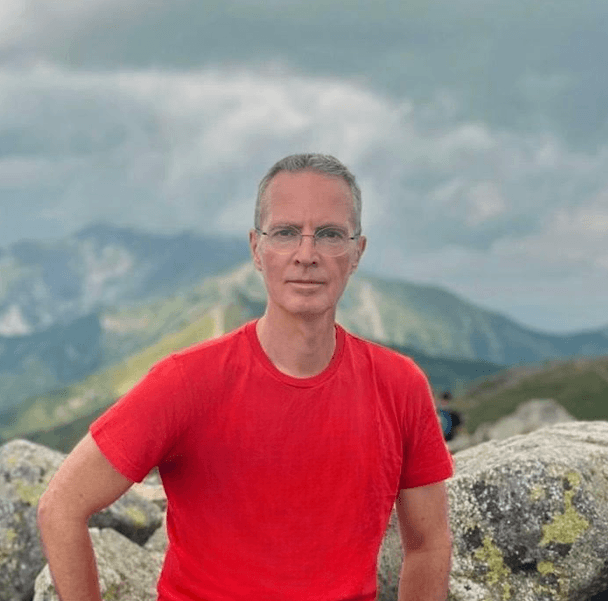
Michel Planquart
Diagnosed in 2020, Michel manages his condition with the dedicated rigour of an athlete. Through his holistic routine and practical tools, he empowers others to actively influence their own progression.
Newsletter
Subscribe to receive regular emails with the latest news, webinars, Bas Bloem podcasts, and Michael Okun posts.

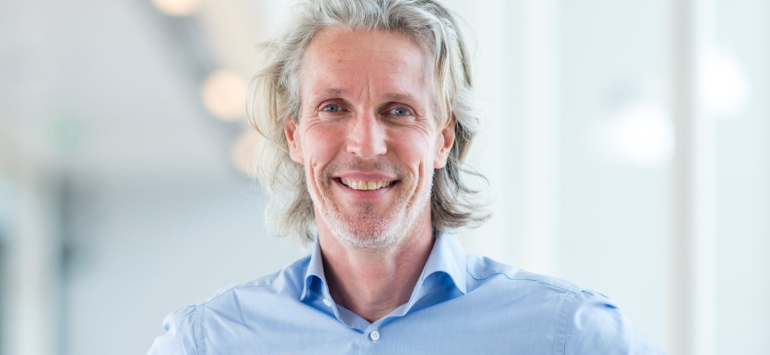
Prof. Bas Bloem
Radboud University
A world-leading neurologist and pioneer of patient-centred care, specialising in lifestyle and exercise interventions for Parkinson's.

Prof. Michael Okun
University of Florida
A renowned neuroscientist and medical director of the Parkinson's Foundation, widely regarded as a global authority on advanced Parkinson's therapies.